


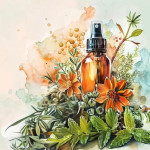















The olive tree (Olea europaea) gave the Mediterranean its oil, its symbolism and — less famously — one of its most studied leaves. While the fruit and oil took the culinary spotlight, the leaf carries the highest concentration of the tree's signature compound, oleuropein. It is also one of the few traditional herbs in this range with a genuine body of randomized human trials behind it. This article looks at what is inside the leaf, how it has been used since antiquity, and what that research supports.
Botanical Characteristics
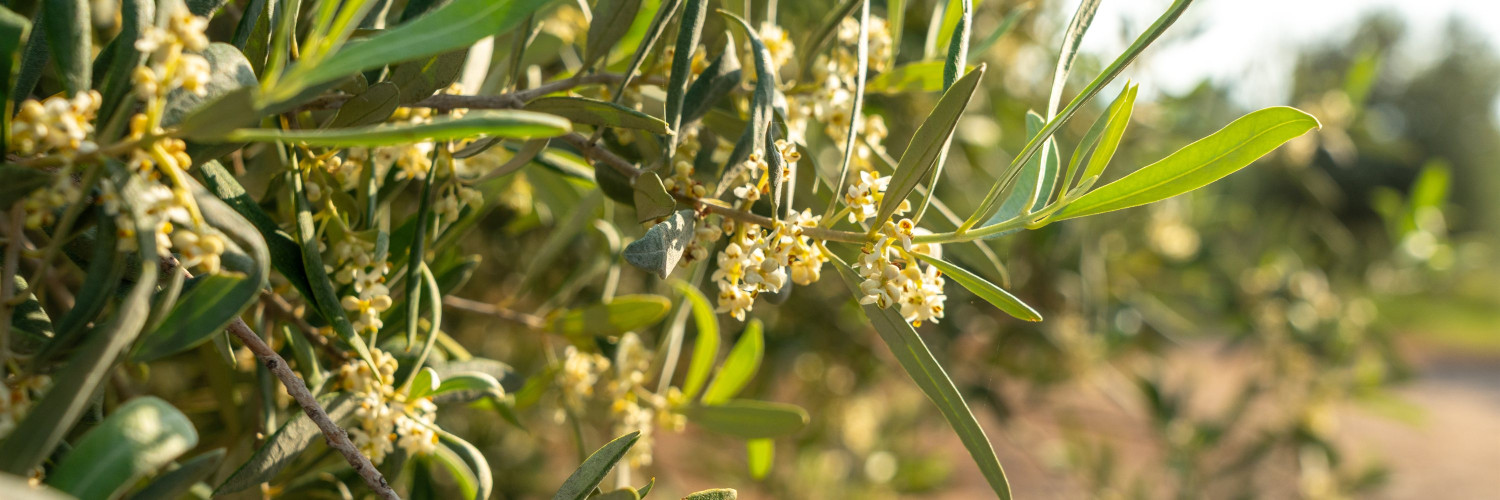
The olive is a slow-growing evergreen tree, gnarled and long-lived — specimens of several hundred years are common and some are considerably older. Its leaves are the giveaway: narrow and lance-shaped, leathery, deep grey-green above and distinctly silvery beneath, thanks to a dense covering of tiny scale-like hairs. That silver underside is an adaptation to heat and drought, reflecting light and reducing water loss, and it is why an olive grove shimmers when the wind turns the foliage.
Chemical Composition
Olive leaf is defined by its secoiridoids, above all oleuropein — the bitter phenolic compound that gives the plant its characteristic taste and accounts for most of its studied activity. Oleuropein is present in the leaf at considerably higher concentrations than in the fruit or oil. Alongside it sit hydroxytyrosol (a breakdown product of oleuropein and a potent antioxidant in its own right), oleanolic and maslinic acid, and flavonoids including luteolin, apigenin and rutin. Human studies confirm these compounds are genuinely absorbed: after a single dose of olive leaf extract, hydroxytyrosol and oleuropein derivatives appear in urine, peaking between 8 and 24 hours.1 Our glycerite is a full-spectrum extract of certified organic dried leaf in flaxseed vegetable glycerin.
Habitat
Native to the eastern Mediterranean basin, the olive has been cultivated for at least six thousand years and now grows across the Mediterranean, the Middle East, and in similar climates from California to Australia. It is exceptionally drought-hardy, thriving on thin, rocky, calcareous soils where little else fruits — the classic sun-baked hillside terraces of Greece, Italy and Spain.
Taste
Olive leaf is frankly bitter — that is oleuropein, and it is the same bitterness that must be leached from fresh olives before they become edible. Traditional preparations are infusions and decoctions in which the bitterness is simply accepted as part of the character. In our glycerin base it is softened considerably, though the leaf's astringent edge remains recognisable.
History of Use
The olive tree is woven through Mediterranean civilisation more deeply than almost any other plant — sacred to Athena, the source of the victor's wreath at the ancient Olympics, and the biblical emblem of peace and renewal. The leaf had its own quieter role: ancient Egyptian, Greek and later Arab practice used olive leaf preparations, and the tree's evergreen persistence in hard, dry country made it a natural symbol of endurance. Its modern reputation dates to the nineteenth century, when European physicians took a systematic interest in olive leaf infusions, and to the isolation of oleuropein in the twentieth.
Olive Leaf (Olea europaea) Glycerite Benefits:
- Cardiovascular Wellness
- Antioxidant Support
- Healthy Circulation
- Everyday Vitality
Alcohol-free and made with organic flaxseed glycerin — the leaf's bitterness rounded out rather than masked.
Olive Leaf and Cardiovascular Wellness
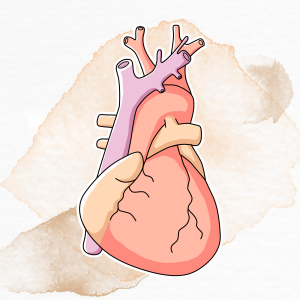
This is where olive leaf has been studied most seriously. A 2022 systematic review and meta-analysis pooled twelve randomized controlled trials covering 819 adults and found that olive leaf extract supplementation was associated with a modest but statistically significant reduction in systolic blood pressure (about 3.9 mmHg) and in triglycerides (about 9.5 mg/dl).2
Two things are worth being precise about. First, the largest effects in that analysis came from participants whose readings were already elevated — which is the usual pattern for a botanical that supports normal regulation rather than forcing a change. Second, the authors rate the certainty of the evidence as moderate for blood pressure and lipids and very low for other markers, noting that nearly half the included studies carried moderate or high risk of bias.2 This is a supplement for helping maintain cardiovascular measures that are already within a normal range as part of a healthy diet — not a substitute for medical management of blood pressure.
Olive Leaf and Healthy Circulation
A particularly clean study looked at what happens acutely in healthy people. In a randomized, double-blind, placebo-controlled crossover trial, eighteen healthy volunteers took a single dose of olive leaf extract supplying 51 mg of oleuropein. Arterial stiffness index improved significantly against control, and an inflammatory signalling molecule (IL-8) was reduced.1 The value of this trial is that its participants were ordinary healthy adults — the population that actually buys a daily supplement — and the effect appeared within hours of a single dose.
Olive Leaf and Antioxidant Support
Oleuropein and hydroxytyrosol are among the better-characterised plant polyphenols, and hydroxytyrosol in particular is a strong scavenger of free radicals. The absorption data above matters here too: compounds that never reach circulation cannot do much, and in olive leaf's case the human excretion studies confirm the phenolics are taken up and metabolised.1 This antioxidant chemistry is the same family of compounds credited with much of the reputation of the Mediterranean diet.
A Note on the Evidence
Olive leaf is among the best-supported botanicals in this range: real randomized trials, a published meta-analysis, and human absorption data confirming the active compounds get where they need to go. The honest qualifications are that the effects are modest in size, several of the underlying trials carry risk of bias, and the certainty of evidence is moderate rather than high.2 We offer olive leaf for what that supports — helping maintain cardiovascular wellness, healthy circulation and antioxidant defences as part of a consistent routine.
How to Use Olive Leaf Glycerite
- Timing: Any time of day; taking it consistently at the same time makes it easier to keep up.
- How to take it: Alcohol-free; take directly or stir into water or juice. The leaf is naturally bitter, so a little juice suits those who prefer it softened.
- Consistency: The trials above ran for weeks of daily intake — this is a routine supplement, not an occasional one.
- Storage: Keep in a cool, dry place away from direct sunlight.
Contraindications
- Blood-pressure medication: If you take medication for blood pressure, consult your doctor before using olive leaf — the effects may add together.
- Diabetes medication: Consult your doctor if you take medication affecting blood sugar.
- Pregnancy and breastfeeding: Consult your healthcare provider before use.
- Before surgery: Discontinue use and inform your doctor ahead of scheduled surgery.
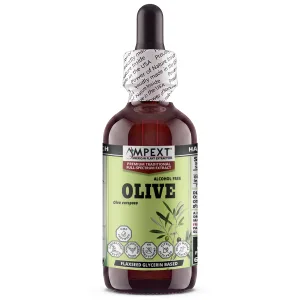
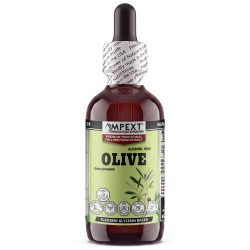
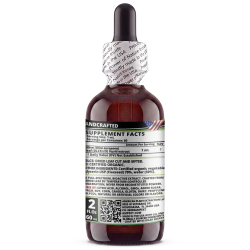
FROM THE AMPEXT RANGE
Olive Leaf Glycerite (Olea europaea)
Alcohol-free · organic flaxseed glycerin · full-spectrum whole-leaf extract · 2 oz
References
- Secoiridoids delivered as olive leaf extract induce acute improvements in human vascular function and reduction of an inflammatory cytokine: a randomised, double-blind, placebo-controlled, cross-over trial. British Journal of Nutrition, 2015.
- The effects of olive leaf extract on cardiovascular risk factors in the general adult population: a systematic review and meta-analysis of randomized controlled trials. Diabetology & Metabolic Syndrome, 2022.
These statements have not been evaluated by the Food and Drug Administration. This product is not intended to diagnose, treat, cure or prevent any disease. The information in this article is provided for educational purposes only and is not medical advice; consult a qualified healthcare provider before starting any new supplement, especially if you are pregnant, nursing, taking medication, or have an underlying health condition.
Related Products
Leave a comment