





















Red root (Ceanothus americanus) is the plant behind a small piece of American history: when colonists boycotted British tea in the run-up to the Revolution, its dried leaves became one of the caffeine-free substitutes they brewed — which is how it earned the name New Jersey tea. Below ground it tells a different story: a tough, deep, red-hued root that gave the plant its herbalist's name. This article looks at what red root actually is and contains, its genuine and interesting chemistry, and its long traditional record.
Botanical Characteristics
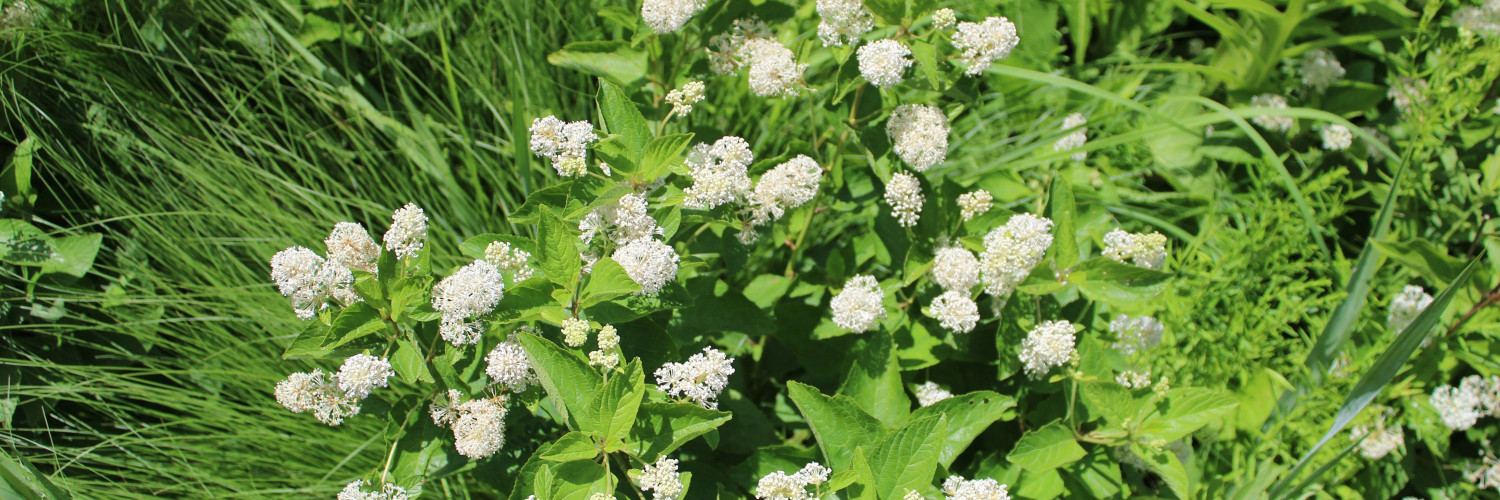
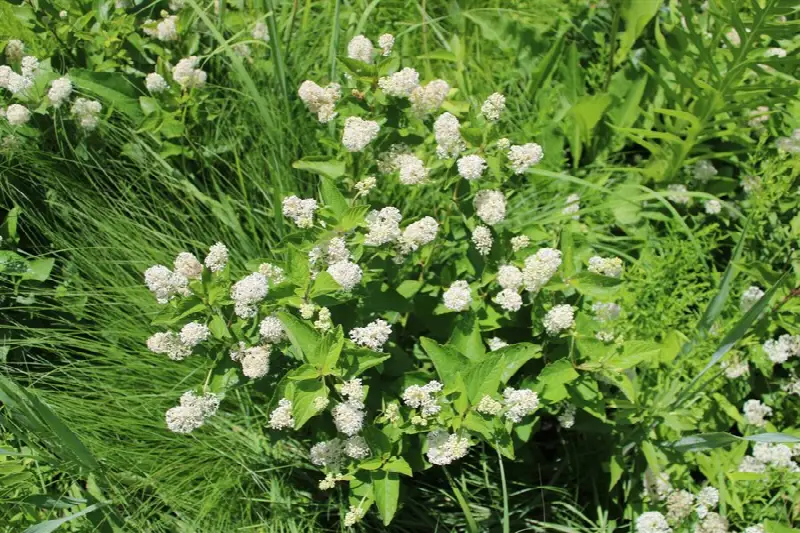
Red root is a small, compact deciduous shrub, usually under a metre tall, with oval, finely toothed leaves that have three prominent veins. In early to mid summer it produces dense, rounded clusters of tiny white flowers on long stalks — a froth of white that is unmistakable on the prairie. Its most distinctive feature is underground: a large, woody root system, reddish in colour, that is disproportionately big for the modest shrub above it and is the part used in herbal preparations.
Chemical Composition
Red root's chemistry is genuinely distinctive. It is a well-known producer of cyclopeptide alkaloids — an unusual class of ring-shaped plant peptides — with at least ten different molecules isolated from the genus, including frangulanine; these have been confirmed in the roots of Ceanothus americanus by modern mass spectrometry.1 The plant also yields a group of triterpenes named after it — ceanothic acid, 27-hydroxy ceanothic acid and ceanothetric acid — together with flavonoids such as maesopsin.2 On top of these it carries the tannins responsible for its astringent, slightly puckering character. Our glycerite is a full-spectrum extract of certified organic root in flaxseed vegetable glycerin.
Habitat
Native to central and eastern North America, from Ontario and Maine down to the Gulf states and west into the prairies, red root grows in dry, open habitats — prairies, savannas, open woods and rocky slopes. Like its western relatives it is a nitrogen-fixing plant: its roots host bacteria that pull nitrogen from the air, letting it thrive on poor soils and making it valuable in prairie restoration. That same deep, tough root system lets it survive prairie fires and drought.
Taste
Mild and pleasantly astringent, with a soft, slightly tannic, tea-like character — which is exactly why the leaves made a workable tea substitute. The root is more astringent than the leaf. In a glycerin base the astringency is softened into something smooth and mild.
History of Use
Red root has a double heritage. Its leaves were brewed as a caffeine-free tea by Indigenous peoples and then, famously, by American colonists during the Revolutionary-era boycotts of imported tea — the origin of "New Jersey tea." Separately, the reddish root was a valued medicinal among several Native American peoples, including the Cherokee, and was later adopted into nineteenth-century American herbal practice, where it was classed among the astringent roots. The two uses — everyday beverage and considered medicine — have travelled alongside each other ever since.
Red Root (Ceanothus americanus) Glycerite — Traditional Uses:
- Classic Astringent Root
- Heritage "New Jersey Tea" Plant
- Distinctive Cyclopeptide & Triterpene Chemistry
- Everyday Traditional Support
Alcohol-free and made with organic flaxseed glycerin — the astringency softened, not masked.
The Astringent Tradition
The most defensible thing to say about red root is that it is an astringent — and astringency is a real, tangible property, not a vague one. Tannins bind to proteins, producing the characteristic drawing, tightening sensation on the tongue, and astringent plants have occupied a distinct category in herbal traditions worldwide for exactly that reason. Red root sits squarely in this class, and it is the frame in which the root has its longest and steadiest traditional record.
A Genuinely Interesting Chemistry
What lifts red root above the ordinary astringent is its cyclopeptide alkaloids. These ring-shaped peptides are an unusual and actively researched class — more than two hundred analogues are known across plants — and Ceanothus americanus is one of the classic producers, to the point that it has become a study plant for how these molecules are made.1 The triterpene acids named directly after the plant — ceanothic and ceanothetric acid — are similarly distinctive, first characterised from this very species.2 This is a plant whose chemistry is genuinely its own, still being mapped by modern laboratories.
A Note on the Evidence
Red root has a rich traditional record and a distinctive, well-characterised chemistry — but, like many traditional North American roots, it lacks a body of modern randomized controlled trials, so we make no claims about what it does in the body. We offer it for what it genuinely is: a classic astringent root with a memorable place in American history and a chemistry all its own.
How to Use Red Root Glycerite
- Timing: Any time of day; take it consistently at the same time to keep up the routine.
- How to take it: Alcohol-free and mild; take directly or stir into a little water. Its astringent, tea-like character is part of its charm.
- Start modest: Begin at the low end of the range and adjust to what suits you.
- Storage: Keep in a cool, dry place away from direct sunlight.
Contraindications
- Pregnancy and breastfeeding: Consult your healthcare provider before use.
- Medications: Tannin-rich astringents can reduce the absorption of some medicines and minerals if taken at the same time — separate doses, and if you take prescription medication, consult your doctor before use.
- Allergies: Discontinue use if any sensitivity develops.
FROM THE AMPEXT RANGE
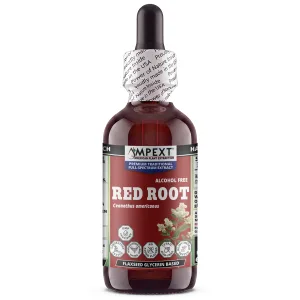
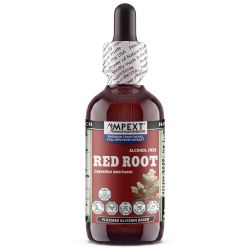
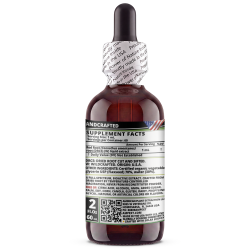
Red Root Glycerite (Ceanothus americanus)
Alcohol-free · organic flaxseed glycerin · full-spectrum root extract · 2 oz
References
- A widely distributed biosynthetic cassette is responsible for diverse plant side-chain cross-linked cyclopeptides. Angewandte Chemie International Edition, 2023.
- Antimicrobial compounds from Ceanothus americanus. Phytochemistry, 1997.
These statements have not been evaluated by the Food and Drug Administration. This product is not intended to diagnose, treat, cure or prevent any disease. The information in this article is provided for educational purposes only and is not medical advice; consult a qualified healthcare provider before starting any new supplement, especially if you are pregnant, nursing, taking medication, or have an underlying health condition.
Related Products
Leave a comment