


















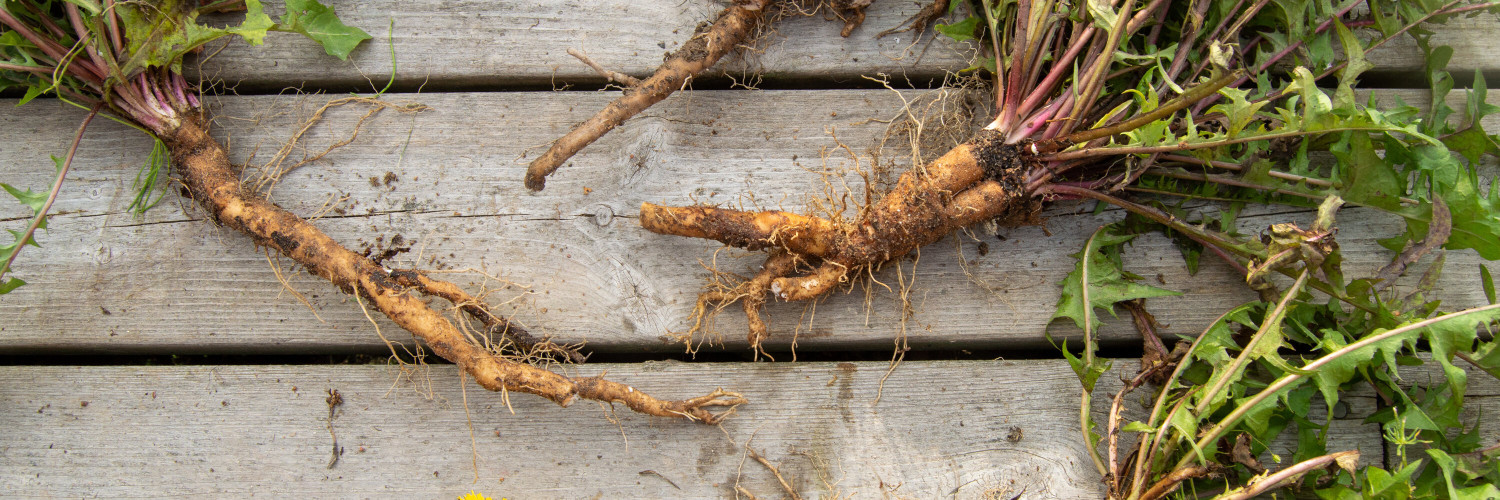
Dandelion root (Taraxacum officinale) is the long, bitter taproot of the most familiar wildflower in the Northern Hemisphere — and one of the classic bitter roots of European and North American herbal tradition. The same plant children blow into the wind has been dug, dried and simmered for generations, roasted as a coffee substitute and taken before meals as a digestive bitter. This article covers what the root is, what it contains, how it has been used, and how European regulators assess it today.
Botanical Characteristics
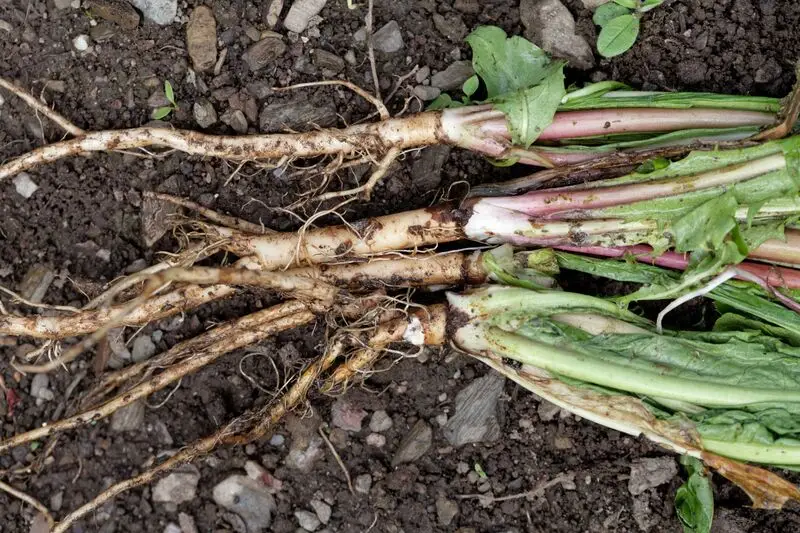
Dandelion is a perennial of the daisy family (Asteraceae). Its leaves grow in a flat rosette, each deeply toothed — the source of the name, from the French dent de lion, "lion's tooth". Every bright yellow "flower" is in fact a head of up to two hundred tiny florets, which turns into the familiar white seed clock. Below ground the plant sends down a thick, fleshy, light-brown taproot that can reach thirty centimetres or more and that exudes a bitter milky latex when cut. The root is the part we use: it is where the plant stores its reserves, and it carries the bitterness that defines dandelion's place in herbal tradition.1
Chemical Composition
The root's bitterness comes from sesquiterpene lactones, chief among them taraxinic acid glucoside and its close relatives.2 Alongside them sit triterpenes and plant sterols such as taraxasterol, β-sitosterol and stigmasterol, and a family of phenolic acids — a detailed analysis of root and herb identified more than forty phenolic compounds, with chicoric acid the most abundant and the chlorogenic-acid family close behind.2,3 The root is also a natural store of inulin, a fibre made of fructose chains: its content swings with the seasons, from around 2% in spring to as much as 40% in autumn, and dandelion root inulin is notably rich in short-chain fructo-oligosaccharides, the kind of fibre the gut's resident bacteria ferment.2,4 Finally, the root is naturally rich in potassium, at about 2.5% of its dry weight.2
Habitat
Native to Europe and temperate Asia, dandelion has followed people around the world and now grows on every continent except Antarctica, thriving in lawns, meadows, roadsides and field margins. It is one of the most adaptable plants known: it tolerates poor soils, drought and mowing, and its deep taproot lets it regrow from a fragment left in the ground. Our extract is made from certified organic dandelion root grown in the USA.
Taste
Earthy, bitter and slightly sweet. The bitterness is the point — it is what herbalists mean when they call dandelion a "bitter" — and the gentle sweetness comes from the root's natural inulin. In a cane alcohol tincture the bitter note comes through cleanly; in a flaxseed glycerin glycerite it is softened and rounded by glycerin's mild natural sweetness. Either mixes easily into water or juice.
History of Use
Dandelion has been part of European folk practice for centuries, prepared as decoctions, tinctures and syrups, and its traditional reputation centres on digestion: a bitter taken before meals for a comfortable feeling of fullness, appetite and the normal flow of digestion.1 The root also had a life in the kitchen. Roasted and ground, it became a well-known coffee substitute, a dark, bitter brew that is still sold as "dandelion coffee" today.5 Settlers carried the plant to North America, where it quickly became a staple of household herbal practice as well as a spring green on the table.
Dandelion Root (Taraxacum officinale) Extract — Traditional Uses:
- A Classic Bitter Root Taken Before Meals
- Supports Healthy Digestion and a Comfortable Feeling After Eating*
- Supports a Healthy Appetite*
- Naturally Rich in Inulin, Phenolic Acids and Potassium
- Certified Organic Root Grown in the USA
Available as an organic cane alcohol tincture or an alcohol-free flaxseed glycerin glycerite. If you are allergic to ragweed or daisies, please read the note below first.
Dandelion as a Digestive Bitter
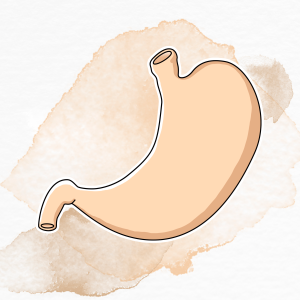
The idea behind a "bitter" is simple and very old: a bitter taste on the tongue sets off the body's own reflexes for digestion — saliva, stomach secretions and the flow of bile — which is why bitter aperitifs and herbal bitters are taken shortly before a meal. Dandelion root is one of the best-known examples, and its bitterness is traced directly to its sesquiterpene lactones.2 The European Medicines Agency's herbal committee, which reviews traditional botanicals for the EU, recognises dandelion root as a traditional herbal medicine for the relief of mild digestive discomfort such as a feeling of fullness, flatulence and slow digestion, and for temporary loss of appetite — on the basis of long-standing use, with the suggestion to take it about half an hour before a meal when the aim is appetite.6
Inulin: The Root's Own Prebiotic Fibre
Inulin passes through the stomach and small intestine undigested and is fermented in the large intestine by resident bacteria, which is why fibres of this kind are described as prebiotic. Dandelion root is unusual in how much of its inulin is made up of short chains — kestose, nystose and related fructo-oligosaccharides — measured at higher levels than in artichoke, a well-known inulin source.4 These short chains are water-soluble, so they move readily into a water-based extraction liquid; a liquid extract carries a share of the root's carbohydrates rather than the full fibre content of the whole root, so it complements, rather than replaces, fibre from food.
Dandelion and Normal Fluid Balance
Dandelion's French folk name, pissenlit, needs little translation: the plant has long been associated with supporting normal urine flow, and the EMA monograph also lists the root as a traditional preparation to increase the amount of urine and flush the urinary tract.6 The one human study of this effect was a small pilot in seventeen healthy volunteers who took a dandelion leaf extract three times in one day: urination frequency and volume rose after the first two servings, while the third made no further difference.7 It used the leaf rather than the root, so it shows the plant's character rather than proving anything about our root extract — but the root's naturally high potassium content is one reason dandelion has traditionally been regarded as a gentle botanical in this role.
A Note on the Evidence
Dandelion root's standing rests on chemistry and long tradition rather than on clinical trials. When the EMA reviewed it in 2021, it found the traditional use well documented across herbal handbooks but no clinical studies on the root itself, so it classed dandelion root as a traditional herbal medicine.2 That is exactly how we offer it: a familiar bitter root with a long kitchen history, taken in modest amounts as part of a daily routine around meals.
Tincture or Glycerite?
We make dandelion root two ways from the same certified organic dried root. The TRUE™ Tincture uses organic cane alcohol and water (30–40% alcohol by volume) with temperature-controlled, ultrasound-assisted maceration; alcohol and water together draw out both the more alcohol-soluble bitter compounds and the water-soluble ones. The Glycerite is alcohol-free, made with 70% organic flaxseed vegetable glycerin and 30% water by temperature-controlled maceration with agitation, and its mild sweetness softens the root's bitterness.
→ Not sure which base suits you? Read our Tincture vs Glycerite comparison
Using Dandelion Root Sensibly
Dandelion is one of the most widely eaten wild plants, and for most healthy adults the root is a simple, everyday bitter. Two groups should check first. Because dandelion belongs to the daisy family, people allergic to ragweed, chamomile, daisies or other Asteraceae plants can react to it as well — in a patch-test study, most people with a known allergy to this group's sesquiterpene lactones also reacted to dandelion tea.8 And because bitters encourage the flow of bile, the EMA advises against dandelion root for anyone with gallstones, a blocked bile duct, or a liver or gallbladder condition.6 If neither applies to you, there is nothing here to worry about — the EMA lists no known drug interactions for the root.6 If you take a prescription diuretic or have been told by your doctor to limit fluids, ask before adding a botanical traditionally used to support urine flow.
How to Use Dandelion Root Extract
- Serving: About 1 mL — one full squeeze of the dropper bulb — up to three times per day.
- Timing: With or after a meal, as on the label; as a traditional appetite bitter, some people prefer to take it a little before eating.
- How to take it: Mix into water, juice or any drink you enjoy.
- Shake first: Cloudiness and sediment are natural signs of a full-spectrum extract.
- Storage: Keep in a cool, dry, dark place.
Contraindications
- Allergy: Do not use if you are allergic to dandelion or other plants of the daisy family (ragweed, chamomile, marigold, chrysanthemum).
- Gallbladder and liver: Not recommended with gallstones, bile-duct obstruction, or liver or gallbladder conditions.
- Fluid restriction and diuretics: Ask your doctor first if you have been advised to limit fluids or take a diuretic.
- Pregnancy and breastfeeding: Not recommended, as safety has not been established.
- Children: Not for use by anyone under 18 without professional advice.
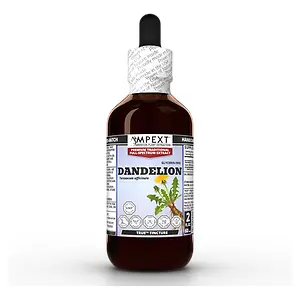
FROM THE AMPEXT RANGE
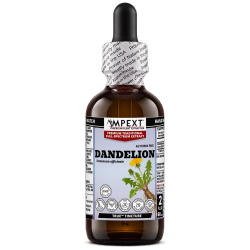
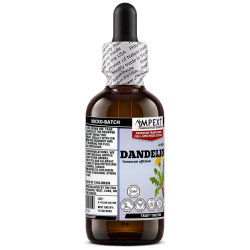
Dandelion TRUE™ Tincture (Taraxacum officinale)
Organic cane alcohol · certified organic root, grown in the USA · ultrasound-assisted extraction · from 2 oz
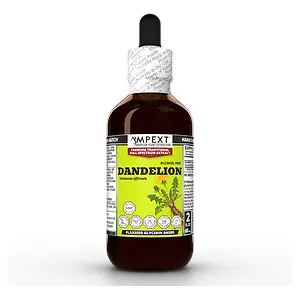
FROM THE AMPEXT RANGE
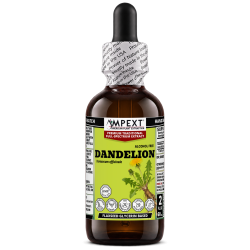
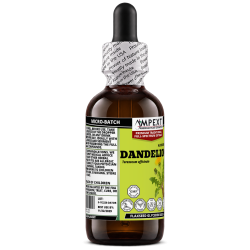
Dandelion Glycerite (Taraxacum officinale)
Alcohol-free · organic flaxseed glycerin · certified organic root, grown in the USA · from 2 oz
References
- Taraxacum--a review on its phytochemical and pharmacological profile. Journal of Ethnopharmacology, 2006.
- Assessment report on Taraxacum officinale F.H. Wigg., radix. European Medicines Agency, Committee on Herbal Medicinal Products, 2021.
- Characterization of phenolic acids and flavonoids in dandelion (Taraxacum officinale WEB. ex WIGG.) root and herb by high-performance liquid chromatography/electrospray ionization mass spectrometry. Rapid Communications in Mass Spectrometry, 2005.
- Separation and quantification of inulin in selected artichoke (Cynara scolymus L.) cultivars and dandelion (Taraxacum officinale WEB. ex WIGG.) roots by high-performance anion exchange chromatography with pulsed amperometric detection. Biomedical Chromatography, 2006.
- Dandelion (Taraxacum Genus): A Review of Chemical Constituents and Pharmacological Effects. Molecules, 2023.
- European Union herbal monograph on Taraxacum officinale F.H. Wigg., radix. European Medicines Agency, Committee on Herbal Medicinal Products, 2021.
- The diuretic effect in human subjects of an extract of Taraxacum officinale folium over a single day. Journal of Alternative and Complementary Medicine, 2009.
- Contact allergy to herbal teas derived from Asteraceae plants. Contact Dermatitis, 2006.
These statements have not been evaluated by the Food and Drug Administration. This product is not intended to diagnose, treat, cure or prevent any disease. The information in this article is provided for educational purposes only and is not medical advice; consult a qualified healthcare provider before starting any new supplement, especially if you are pregnant, nursing, taking medication, or have an underlying health condition.
Related Products
Leave a comment